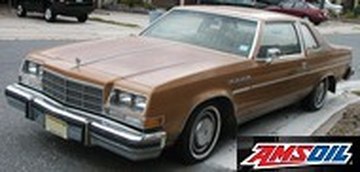
Lubrication Maintenance for the 1981 Buick ELECTRA 5.0L
Maintaining a vehicle of this era requires a proactive approach to fluid management and mechanical inspection. For the 1981 Buick ELECTRA equipped with the 5.0L engine, consistent attention to lubrication systems is a fundamental aspect of long-term ownership. Because older engines can exhibit different sealing characteristics than modern counterparts, understanding how to monitor and respond to changes in lubricant condition is essential for preserving engine health.
Monitoring Fluid Integrity and Potential Leaks
One of the most effective ways to manage an aging engine is through regular visual inspections of the engine bay and undercarriage. For a vehicle from 1981, checking for signs of fluid seepage is a high priority. Rather than waiting for a significant puddle to form, owners should look for "wet" areas around various engine components or staining on the underside of the chassis.
When performing these inspections, pay close attention to the following:
- Gasket and Seal Condition: Inspect accessible gaskets and seals for signs of age-related seepage. Even a small amount of residue can indicate that a seal is beginning to lose its effectiveness.
- Drain Areas: Check the area around the oil drain plug and the filter mounting surface for any evidence of slow leaks.
- External Surfaces: Look for oily buildup on the exterior of the engine block or near various connection points, which may indicate a slow leak that has collected dust and debris over time.
If you notice new or increasing signs of leakage, it warrants an investigation to determine the source. Addressing minor seepage early can prevent more significant issues later.
Observing Changes in Lubricant Behavior
Beyond visible leaks, how the engine consumes and presents its oil is a vital indicator of internal health. While some level of consumption can occur as engines age, sudden changes should not be ignored. If you notice that you are needing to add oil more frequently than usual, this may indicate an issue that requires professional attention.
It is also useful to monitor the appearance and smell of the lubricant during routine checks. While a change in color is often normal due to heat and use, any unusual odor or a significant change in the texture of the oil can be associated with various operating conditions. If you observe unusual mechanical noises that seem to coincide with changes in lubrication levels, these symptoms should be investigated promptly. Remember that many different factors can cause similar symptoms, so a professional diagnosis is often necessary to identify the exact cause.
Prioritizing Long-Term Engine Care
For owners of a 1981 Buick ELECTRA, effective maintenance is often about distinguishing between routine service and addressing specific age-related needs. Establishing a clear baseline for your vehicle's condition is an excellent starting point, especially if you have recently acquired the vehicle or do not have access to comprehensive service records.
If maintenance history is incomplete, begin by documenting every fluid change, filter replacement, and mechanical repair. This creates a roadmap of what has been addressed and what may be approaching the end of its service life. When deciding where to focus your efforts, prioritize active concerns—such as visible leaks or changes in engine performance—before moving on to purely preventive measures. As the vehicle ages, monitoring how it responds to different lubricants and service intervals can help you tailor a maintenance plan that suits its current mechanical state.
Inspecting Auxiliary Components
While the focus is often on the engine itself, other components in the engine compartment play a role in overall system reliability. During routine service, it is practical to inspect other parts that are subject to heat and vibration. If equipped, check accessible drive belts for signs of deterioration such as cracking, glazing, or fraying. Similarly, if present, inspecting hoses for softness, swelling, or brittleness can help prevent unexpected failures.
Electrical connections and wiring should also be checked for signs of corrosion or wear. Ensuring that all connectors are secure and clean helps maintain the integrity of the vehicle's electrical systems, which is particularly important in older models where insulation may become more fragile over time.
The Role of High-Mileage Formulations
As engines undergo many years of thermal cycling and mechanical use, the materials used in seals and gaskets can change. Some high-mileage oil formulations contain additives intended for use in aging engines. These specialized lubricants may include seal-conditioning additives designed to help maintain the flexibility of certain components. While these products are an option for older vehicles, they should be selected based on the specific needs and current condition of your engine rather than as a universal solution.
Practical Steps for BUYING ENGINE OIL for your 1981 Buick ELECTRA 5.0L
When it is time to replenish or change your lubricant, the most important step is ensuring that the product you select matches the specific requirements of your engine. To ensure proper performance and protection, match the engine oil to the application-specific viscosity information already displayed on this page.
Before making a purchase, consider the following practical tips:
- Verify Product Labels: Always check the container labeling to confirm that the viscosity grade matches your vehicle's needs.
- Check API Certifications: Ensure the oil meets current industry standards for quality and performance.
- Evaluate Oil Types: Depending on your maintenance goals, you may choose between conventional, synthetic blends, or full synthetic oils. While different formulations offer varying levels of thermal stability and deposit control, always prioritize the viscosity and application details provided in your vehicle's specific information.
- Avoid Assumptions: Do not rely on general knowledge about 1980s engines or similar models; instead, use the exact specifications listed for this 5.0L Buick engine to guide your selection.